
British Columbia Wildlife Act
The British Columbia Wildlife Act and associated Regulations manage wildlife in the province. They establish wildlife related offences, designate management areas, and set out license and permit requirements.
There are four sections of the Wildlife Act that may influence land development in the province:
- Section 29 and Section 12, which prohibit the capture or attempted capture of wildlife and fish without a permit
- Section 34, which prohibits the possession, destruction, or disturbance of a bird, bird egg, or occupied birds nest
- Section 9, which prohibits the damage or removal of beaver dams or muskrat dens
Fish and Wildlife Salvage Permits
To protect wildlife, it is sometimes necessary to perform a ‘salvage’, which involves capturing and relocating wildlife out of the impacted area prior to construction or development. This is especially common for instream works, where fish or amphibians may need to be salvaged. Fish and wildlife salvages require a permit under Section 12 and 29 of the Wildlife Act.
Amphibian Salvage Permit
Applicants will need to submit a General Wildlife Permit to Hunt, Trap or Kill Wildlife for Research or Scientific Purposes with an accompanying Animal Care Application Form through FrontCounter BC. It is important to include complete information on both the General Wildlife Permit and the Animal Care Application Form as they will be reviewed separately by a regional biologist and provincial veterinarian, respectively. Application review for wildlife salvages takes a minimum of two months, so it is important to apply well ahead of intended work dates.
The application will include the following information:
- Species expected to be captured
- Project background and rationale, including relevant approvals (such as Water Sustainability Act Approvals)
- Detailed capture and relocation methodology
- Capture and release locations
- Appropriate measures and best practices for wildlife salvage
More information on criteria and application requirements can be found on the General Wildlife Permit Page. Permit holders should follow the Best Management Practices for Amphibian and Reptile Salvages in British Columbia.
Fish Salvage Permit
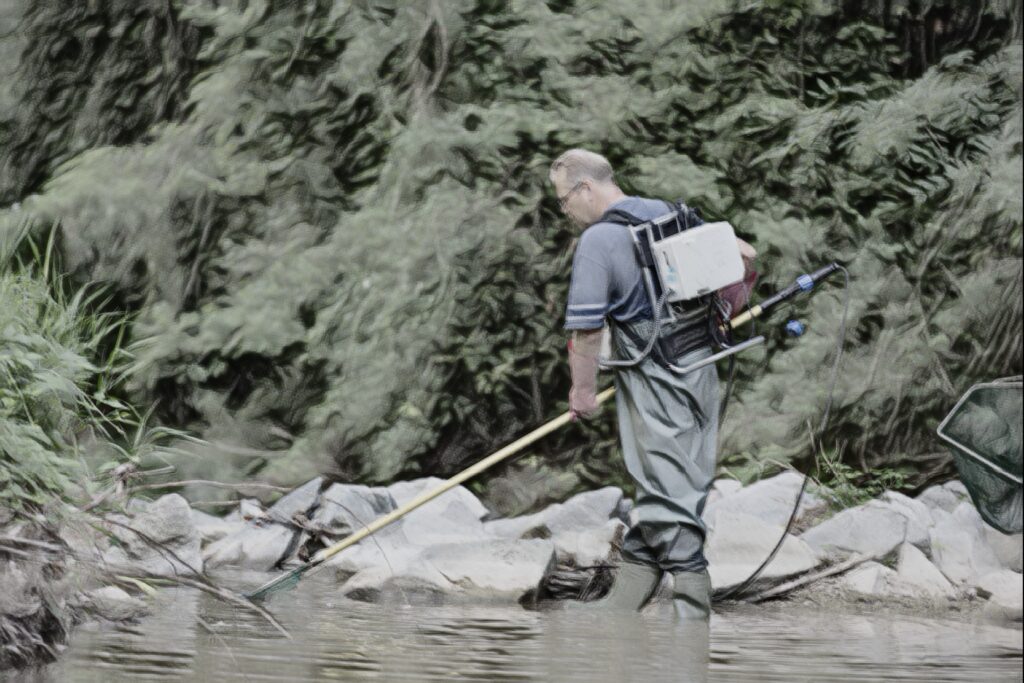
Applicants will need to submit a Scientific Fish Collection Permit, which authorizes the capture or collection of fish for scientific or other non-recreational purposes. The application should be submitted through FrontCounterBC and will include:
- identification of sampling locations
- a description of the project and project area, including rationale and methodologies
- sampling techniques used
- fish species to be sampled
Applicants for Scientific Fish Collection Permits must follow provincial and regional terms and conditions, shown on Appendix A of the Application Guidelines Document. These terms and conditions include, but are not limited to:
- Reporting fish collection activities using the fish data submission process within 90 days of the expiry of the permit
- Substantively isolating the worksite to prevent fish from entering
- Using a risk hierarchy from passive to active and low risk to high risk in collection methods
- Conducting a minimum of three non-lethal collection methods in all fish salvages
- For active collection methods, a minimum of two consecutive passes of each method must be achieved that produce zero catch
- Releasing all species in the same watercourse downstream of the work area or a sufficient distance upstream (5 channel widths to a maximum of 100 meters) into waters of equivalent baseline quality and habitat type
Permits for the collection of fish from tidal waters is handled through the Department of Fisheries and Oceans (DFO). For the collection of aquatic species at risk, a Species at Risk Act (SARA) Permit is required through the DFO in addition to a Scientific Fish Collection Permit.
Breeding Bird Regulations
Tree removal and vegetation clearing pose serious threats to birds and their nests. Any action which destroys an occupied bird’s nest or an unoccupied falcon, owl, or heron nest is an offence under Section 34 of the Wildlife Act.
Our environmental permitting guide has a page dedicated to breeding bird regulations in the Lower Mainland. Consult this resource for more information about how to manage breeding birds on your development
Beavers and Muskrats
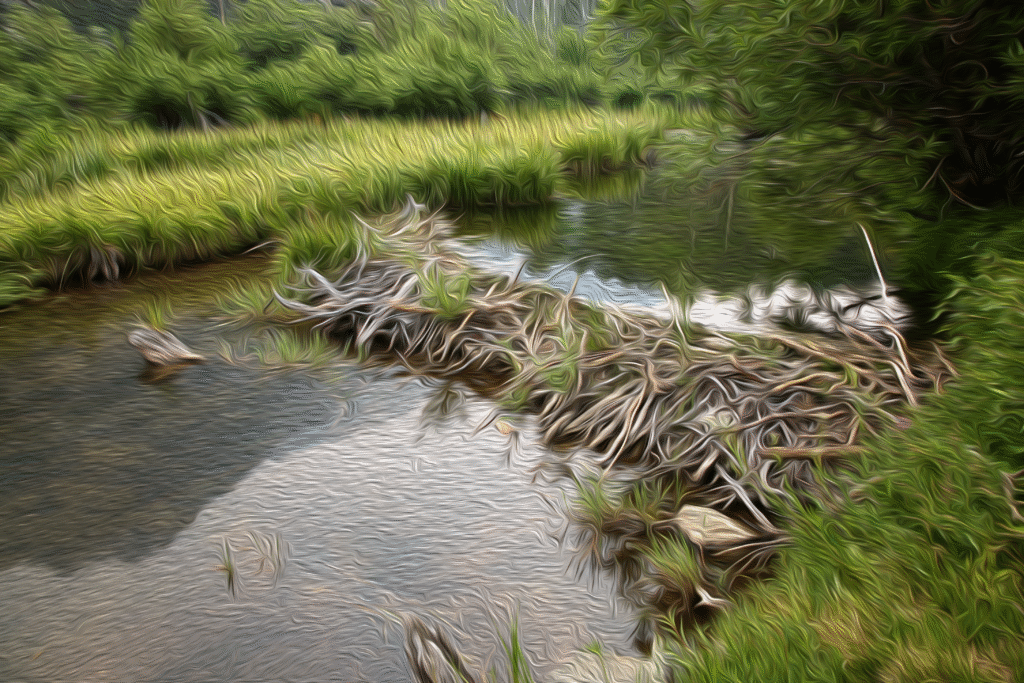
Section 9(1) of the Wildlife Act prohibits disturbance or damage to a muskrat house or beaver dam.
It is possible to apply for a permit to destroy a beaver or muskrat den or dam through FrontCounter BC. However, permits are typically only issued to protect against property damage, not for development. Permit applications will include:
- a description of the problems caused by the dam or den; and
- the removal method to be used
Any permit to remove a beaver dam or muskrat den will also require a Water Sustainability Act Notification for Authorized Changes In and About a Stream.
Disclaimer: Environmental regulations change frequently. Our goal is to keep the content of this page up-to-date and accurate. If you notice inaccurate information, please contact us so we can make corrections.
Last Updated in August 2025